The End of Patterns
On recovery of a practice
👋 Hello Again, my friend.
A few months ago, I stood on a campus on a cool summer day, watching humans try a high five again.
I was working the table of a startup, pitching to college students about our valuable app, when in the interest of a sick TikTok clip, there was a staged high five that went awry. A hand came down too fast, the performers looking foolish and awkward.
The ritual of the high five was important only in that it completed the expected coda of the expected beats of an expected breathless social media video about a new app. Every one of these videos is the same. Every app will change your life. Every idea is dead ass fire, chat. The algorithm is unconcerned with the the promise of our app, the words that come out of our mouths, our hairstyles, our kids, our parents, our anxiety and our dreams.
The algorithm is only concerned with whether our videos is enough of a pattern match to other videos for this demographic. Is it close enough? Is 83% a close enough match? It may get shown to you. Is it too weird? Is there not enough cuts and motion? Is the thumbnail not sensational enough? Does the high five take too long? You may not enter the club. Try again.
The high five finally landed. The pattern matched.
A few months ago, I was disappointed to see a luminary in my chosen field cheerily sharing what he regarded as a kind of conclusive indication that AI had finally “solved” the issue of creation. This artifact he shared, an artless and appalling travesty, was both soulless and dull, and I found myself unable to bear even the 9 minutes it lasted, clicking around in a desperate hunt to see what he saw. It was in that moment where I started to truly have an inkling of how far our understanding of meaning had fallen.
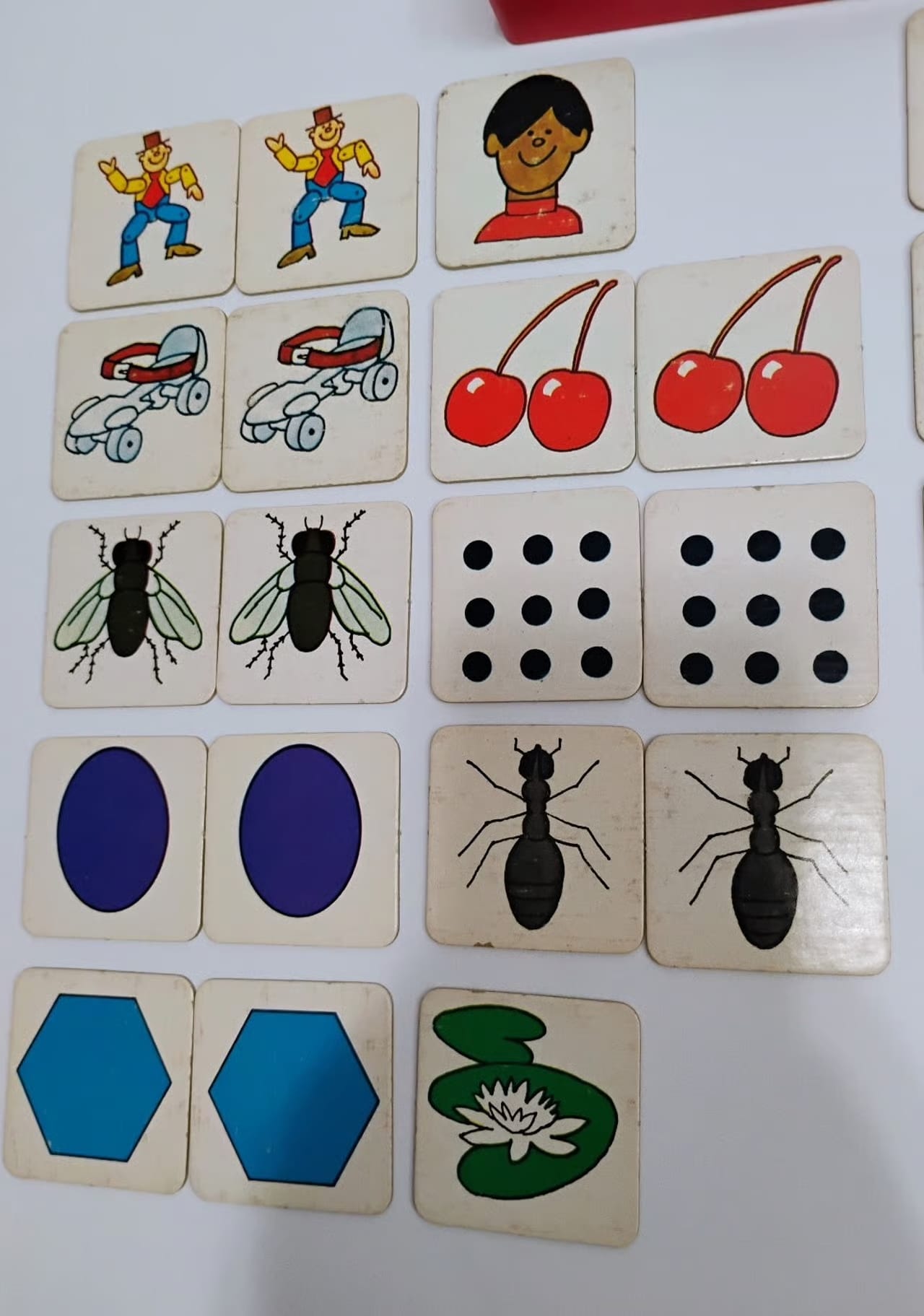
If I squinted, I could maybe see why this man was tricked. In some ways, it looked like how a thing of that genre might look. It reminded me of the simple young children’s game, where you name recognizable items of a job known to children, and they guess it. For example, if I were to say helmet, hose, red truck, they may say “firefighter”. I started to see that this simple game of taxonomic recognition was being played by this man approaching 70 years old . He was remarking that on the surface, the elements met his expectation for the artifact in question. He marveled that the robot had figured out the cues. Anyone with even a passing knowledge of artificial intelligence could figure out this trick. And yet, the video comments were filled with fawning sentiments.
A session on TikTok is an exercise in rapid pattern recognition. ROAS metrics track whether a user takes action on a digital ad in about 2.4 seconds. That’s not a lot of time to confer meaning, and even less time to grok what is happening. Informational pattern-matching, once the domain of the geeky SEO professional or national security cryptographer, has become a full time job for everyone on the internet. So bombarded with so many options, ideas and–the worst of all words–"content", we are forced to triage what we see in terms of instantly understandable buckets so that we may further determine where our true desires may lie.
As a result, we have started to fall into a pattern of genre definition as a form of conveyance. Swords, shields, dragons, House of Dragon, Tolkien, Game of Thrones, epic drama, got it. Purple, striped socks, brunettes, Halloween, Wednesday, fun horror, got it. Each content maker is now in the business of immediate genre definition, funneling ideas as fast as possible into the discrete information architecture buckets in the minds of the humans now. Spotify’s secret list of micro genres was once an awe-inspiring deep dive into the esoteric categories they put their songs into, all for the betterment of serving users a planned playlist. This now seems like child’s play. Even human desire, sadness, lust and emotion has been categorized and labeled, put into plastic buckets and shelved, labels out, and ready to serve at a moments notice.
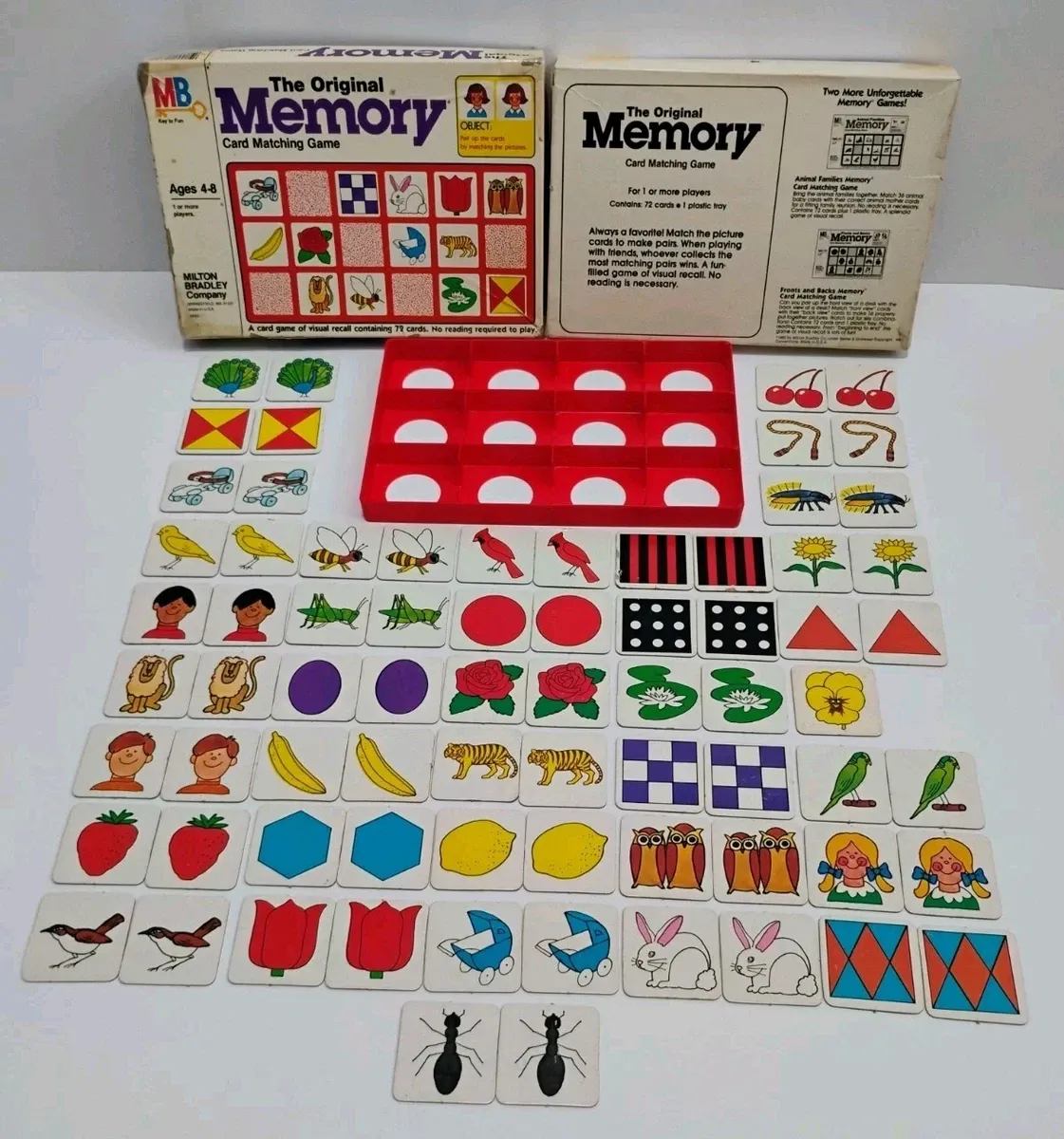
But here's the thing: pattern recognition, and pattern application isn't creation. It can be satisfying and what someone wants, but it's a wholesale different ideal than creation from something inside of you.
I would go so far as to say that the rejection of expected patterns in the first step toward making real work. I think there is going to be a weird creative hangover, where all the people that were relying on base pattern application will start to realize how hollow it all is. At that point, we can work on the recovery of the creative work as a practice. The work of recovering a creative practice is learning to make things before their category, audience, usefulness, or resemblance has been established.
I spied something funny in the most recent Lenny's Newsletter, a post titled How to turn your AI into a world-class designer. There' s a few prompt engineering tricks, but this one is particular caught my eye:
Don’t be afraid to try ideas that sound terrible. If you find yourself thinking, “There’s no way this will work,” you’re on the right track.
I find it funny that at long last, the AI-prompting artists have stumbled upon the core frustrating truth of making stuff: there's no easy answer. Making unique stuff is hard. The TL;DR of good prompt engineering – or really any creative practice – is that you still need the knowledge and taste to know what to ask for, and that take years of creative failures to develop.
Got it.
XO,
Joe
🤑 Programming Note: My book is over half sold out! Purchase your signed copy here!
❤️ Like what I'm doing? Thank you! Tell your friends! This blog is totally free, but available only to members. Make sure to add me to your contacts list!