
In Praise of the Inconvenient Life
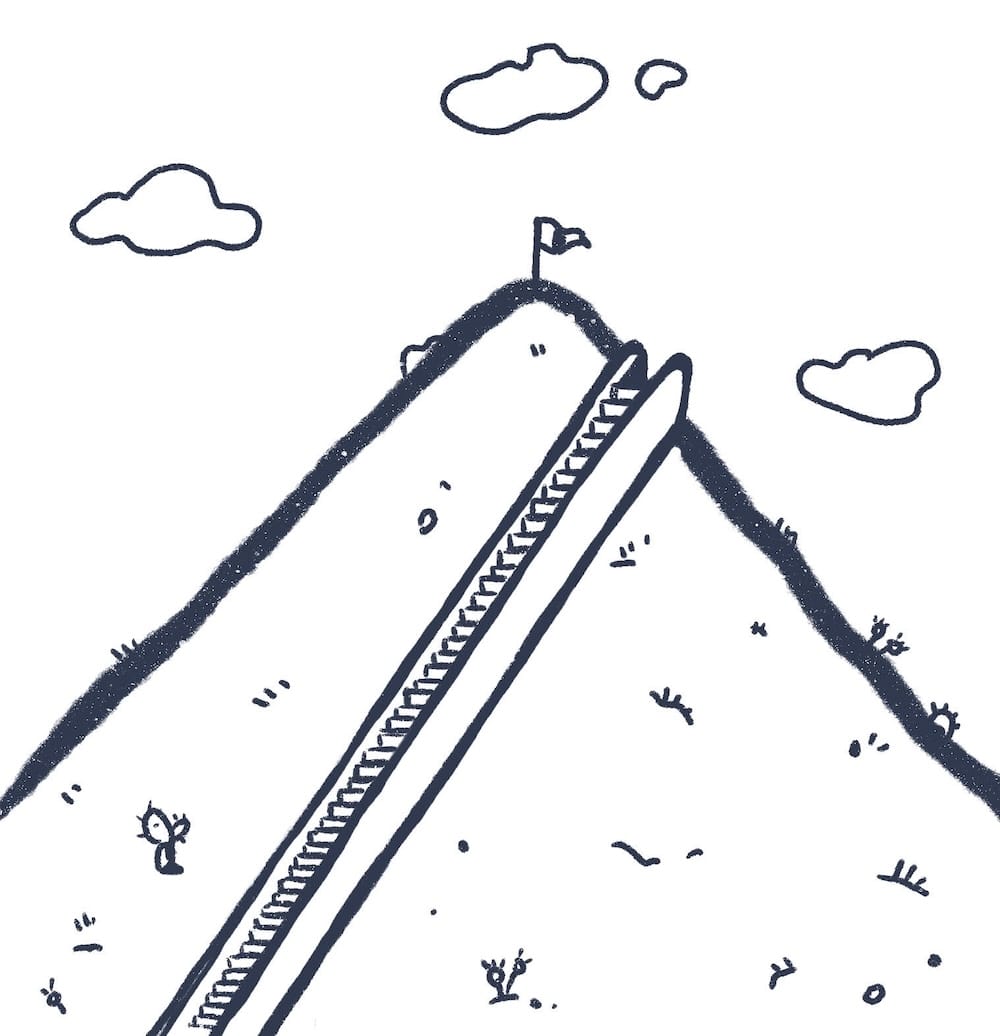
Hello again, my friend 👋
Your life is but a few roadblocks away from enlightenment. If only your floors were cleaner. If only your teeth were whiter. If only you were 15 pounds lighter. If only you saved a little more each month. If only your data was more secure. If only you could click a button and have perfection delivered in a brown box at your doorstep, quiet and cool and still.
This is the core promise of techno-capitalism: that your life has problems that can only be solved by purchasing something (or more recently, subscribe to something). As a result, techno-capitalism run amok demands an ever-increasing cataloging of all the ways your life is not easy — call it an awareness of friction. In a society as deeply capitalistic as ours, we may be totally unaware of this Spidey-sense for micro-sufferings. But if you are living here, with me, you have it.
Indulge me in a minor experiment: today, whenever you remember to do it, notice every time a small annoyance makes you think, "Ugh, I wish this could be easier." When you start to notice it, you may be surprised at how often it happens. I was.
This isn't to say that people in other historical eras didn't feel frustration or yearn for easier lives — far from it. What I'm suggesting, though, is that in our current state of market-oriented solutions hungry for customers, we as a herd have been trained to be on the lookout for ways someone can sell to us. It is in our DNA, as deeply embedded as microplastics.
In the world of creativity and design, this is tenfold. For professional creatives, it is literally the job. In my own particular corner of the creative space, the term of art is "user friction" — code for when the user can't do exactly what they want to do, in the moment they want to do it. Much of the agentic UI talk on the fringes of UX right now is framed around this idea: what if the interface anticipates what you want before you even know you want it? This is, in some ways, the ultimate manifestation of the capitalist ideal — every startup a little Henry Ford.
But it's not just UX. To be a professional creative, at base, is to be tasked with shepherding customers toward solutions invented for problems not yet known. To even suggest that a designer might have a point of view is regarded as a violation of sacrosanct rules: design should be nothing but a smooth tube to whatever the user desires. Any music you want to listen to, artist payouts be damned. A wild bet on Polymarket, long term financial risks ignored. A user tricked by dark patterns in subscription flows? Not the designer's problem. At least, that's how the rules are taught now.
Undergirding the promise of ease is the timeworn idea that, with the time and energy saved, we can devote ourselves to more noble pursuits – creating art, lifting up the meek, repairing communities. But is that core promise of every large tech company actually true? If I don't have to go and pick up my teriyaki, but rather get an underpaid Doordasher to do it, does that afford me more time to do art, to play with my kids? Perhaps. But it's just as likely I end up doomscrolling my time away. This is the devil's twist in the promise of the removal of friction: that it is a net good unto itself, and if the promise isn't kept, well, that's the fault of the individual. Socialized risk, privatized pay out. Same as it ever was.
I would like to suggest that friction is actually good. I've never seen human beings be bad at indulging their worst instincts. That's kind of... what we do. So why is design formulated around enabling it? Because, in the end, it serves capital — not human health and dignity.
"Friction" is titled thus because it means the slowing of the flow of money from the your pockets into the company's coffers. By that definition, "friction" just means a pause or consideration, Do I want to do this? Do I want to pay for this? Do I want to participate in this? There is always a cost to "easy", it's just that sometimes the balance due is not immediate.
My wife makes fun of me for sometimes doing things the hard way. She calls it "the Boston in me." That may be so, and I don't deny it (Go Sox). But I see it a little differently. Intentionally refusing the market-born solution to ease my glide through life is a small act of resistance — a way of reclaiming the humanity gifted to me. A way of feeling what it is actually like to feel frustration, how hard something actually is, in a way that is deeply human. So I will walk down to the local teriyaki place, wait in line, wait for my food, and walk home, the plastic bags cutting into my flesh. Sometimes in the rain. During that journey, I meet people. I think. I get wet. My hands hurt. Is it harder? Sure. But it's better, I think.
Boxer Marvin Hagler is supposed to have said, "It's tough to get out of bed and do roadwork at 5am when you've been sleeping in silk pajamas." I quite like that quote. Beyond being funny, it gets at a greater truth. Willingly taking on friction is an acknowledgment of the actual business of living. Your shoes may get wet. Your hands may hurt a little. But it's okay. You're going to be okay.
xo,
Joe
🤑 Programming Note: I finally opened up my store! Check it out.
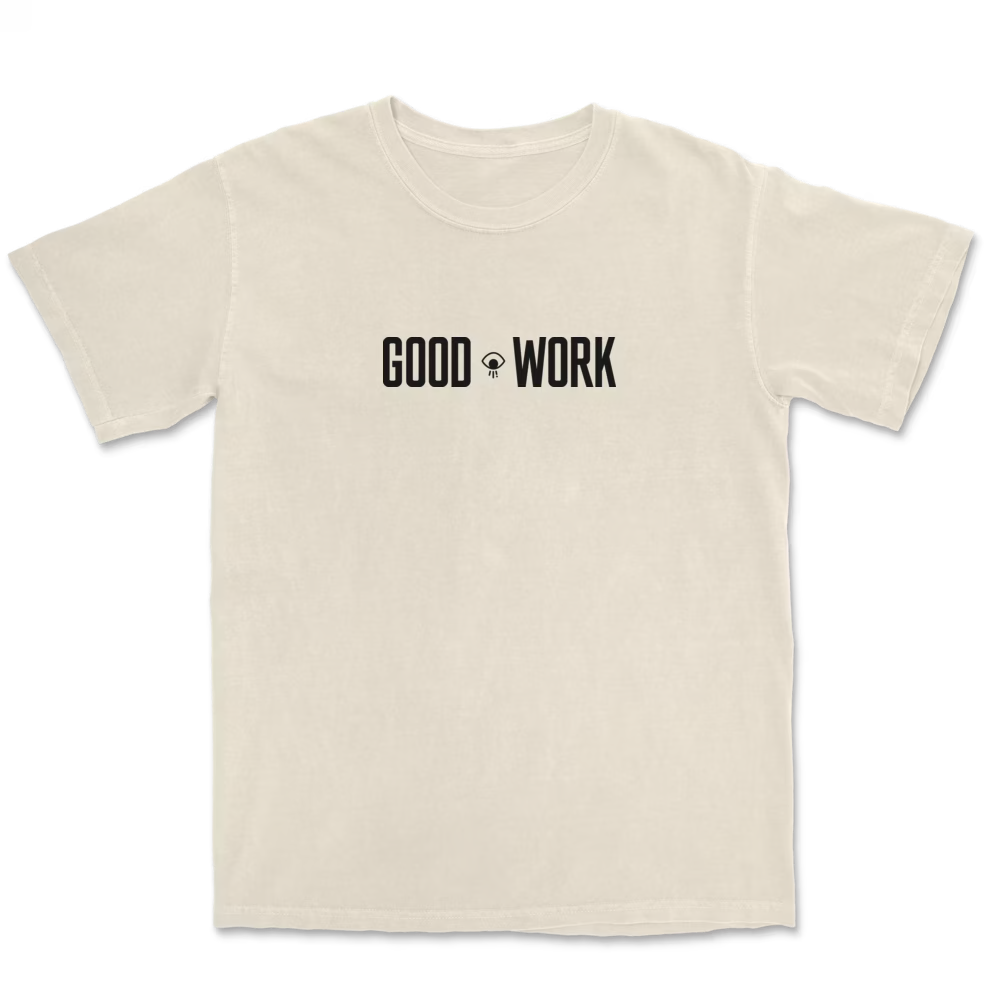
✊ Fuck these bastards: Also, I have made some protest posters that are totally free to download for your local anti-Trump rally. I'm also selling anti-ICE merch that is raising money for the ACLU's immigrant rights project. We've already raised over $750! 100% of the profit of teeshirts sold goes to the ACLU. Go get it!
❤️ Like what I'm doing? Thank you! Tell your friends! This blog is totally free, but available only to members. Make sure to add me to your contacts list!